

Something Big Is Happening. How Big Is It, Really?
Fins in the water

Last week, AI investor Matt Shumer’s essay titled “Something Big is Happening” went viral on X, racking up 81 million views and major news coverage. He compared this moment to February 2020, right before COVID hit. He said people deserved the truth instead of the “cocktail-party” version.
That’s not even the boldest prediction this month. Microsoft’s AI CEO predicted that most white collar work will be fully automated within 12 to 18 months.
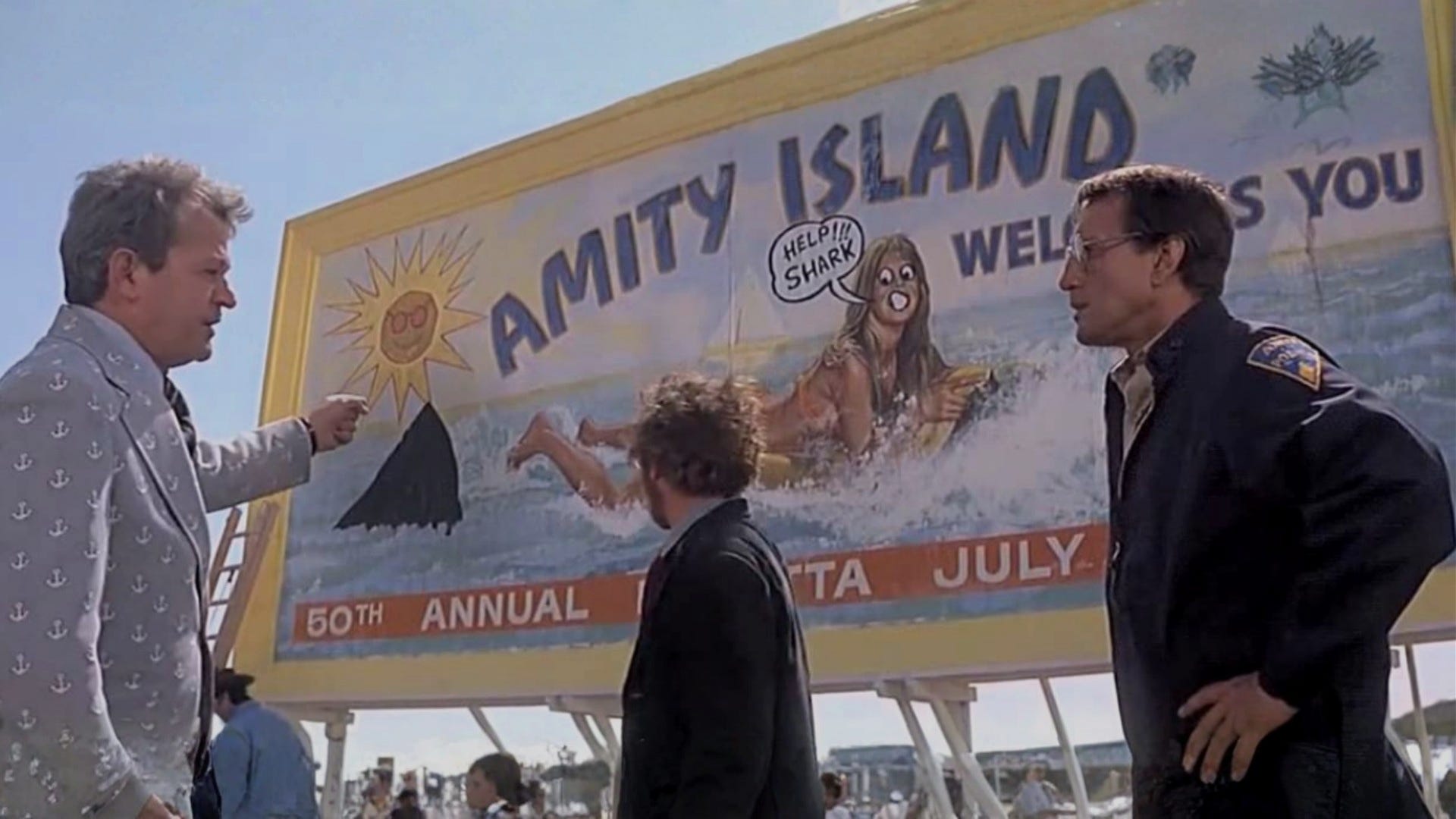
Tech leaders sound like Chief Brody in Jaws, warning about something dangerous in the water.
But if you’re not in tech, you’re probably more like the Mayor who doesn’t want to close the beach. AI tools are impressive, and companies are adopting them.
So how worried should we actually be?
The Fins in the Water
“If you haven’t tried AI in the last few months, what exists today would be unrecognizable to you,” Shumer wrote.
AI models aren’t just improving. They’re leapfrogging themselves every few months. When they first launched, they wrote mechanically and couldn’t add. Now they write like humans, win gold medals in the math olympiad, and create high-quality videos.
I’ve seen this myself. Just this month I used AI to analyze a 100 slide deck for gaps in logic and flow, build a translation website for my wife’s ESL class and digest my emails and calendars across four accounts.
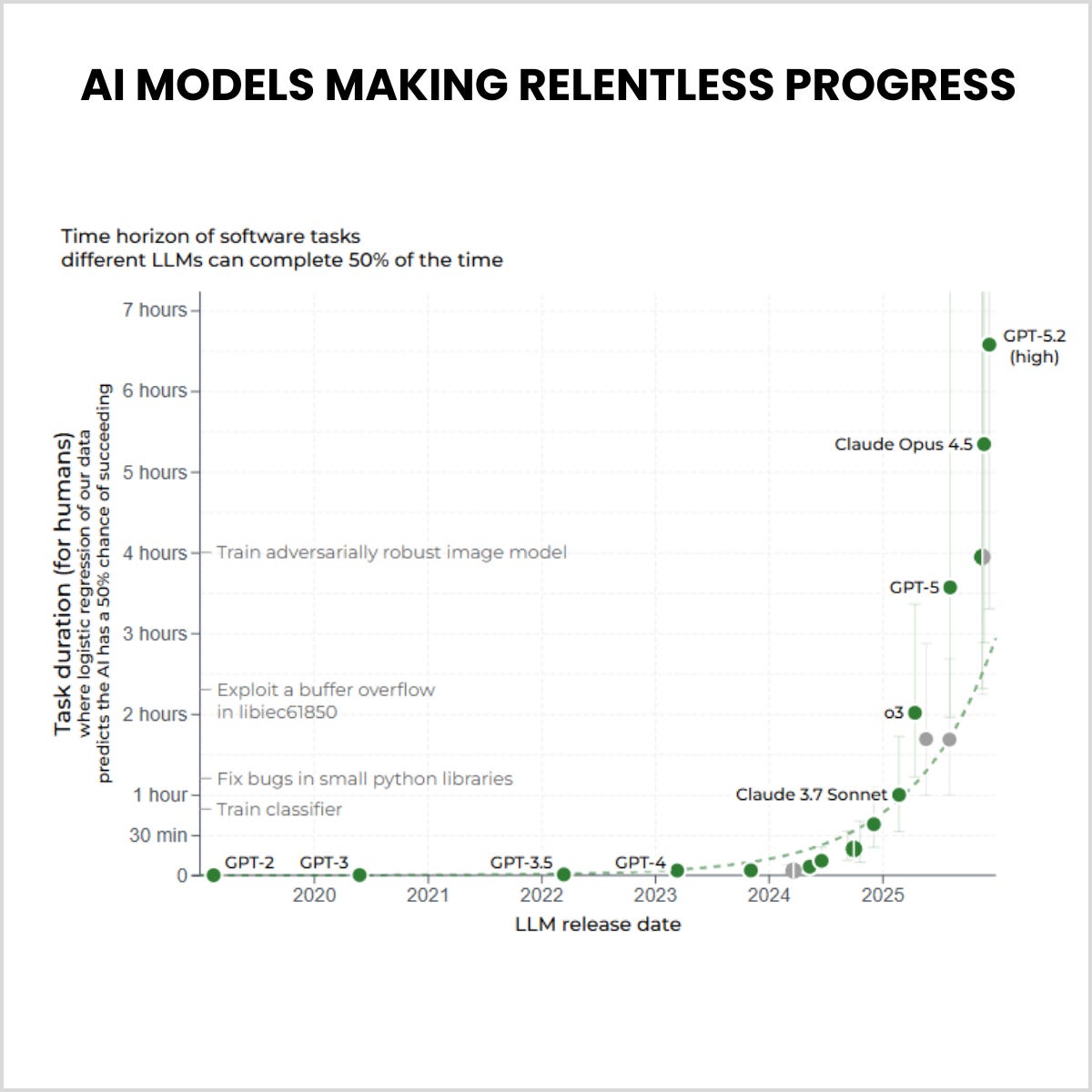
For programmers, this isn’t just impressive. It’s personal. They’ve spent their careers writing code. Many now just prompt, review and approve logic written by AI agents. It’s no coincidence that the warnings about AI are coming from people whose jobs have been turned upside down.
Techies predict the same thing will happen to other work done on a computer. But programming is unique: it’s almost all digital, and you can verify if the code works or not. AI can test for bugs, but not whether your client trusts you.
The Glue AI Can’t Replace
Last week I met with an executive who is speaking at our spring AI summit. Afterwards I sent him an email confirming the details and worked with our teams to revise the schedule and summit website.
I didn’t use AI at all. It could have written the email, but it was faster just to do it myself.
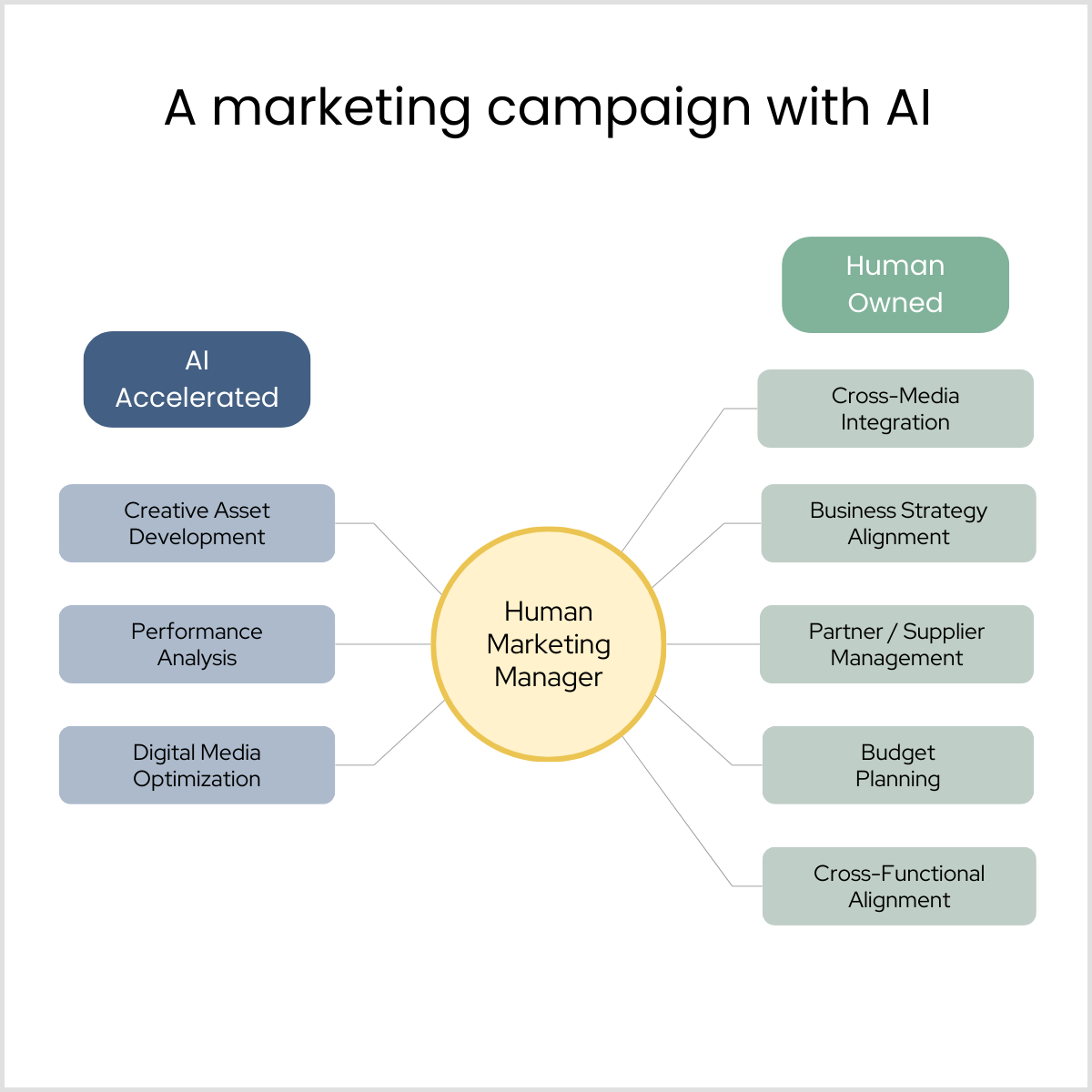
Much of white collar work is dealing with other people and organizations:finding alignment, navigating politics, and building trust.
Supply chain managers have used AI to forecast demand for decades. The rest of their job is working with manufacturing, purchasing, vendors, and logistics to execute the plan. A marketing manager can have AI write a campaign brief, but they’ll meet with product managers, finance, agencies, and key influencers to bring it to life.
AI may not take these jobs, but it will definitely change them.
The Productivity Trap
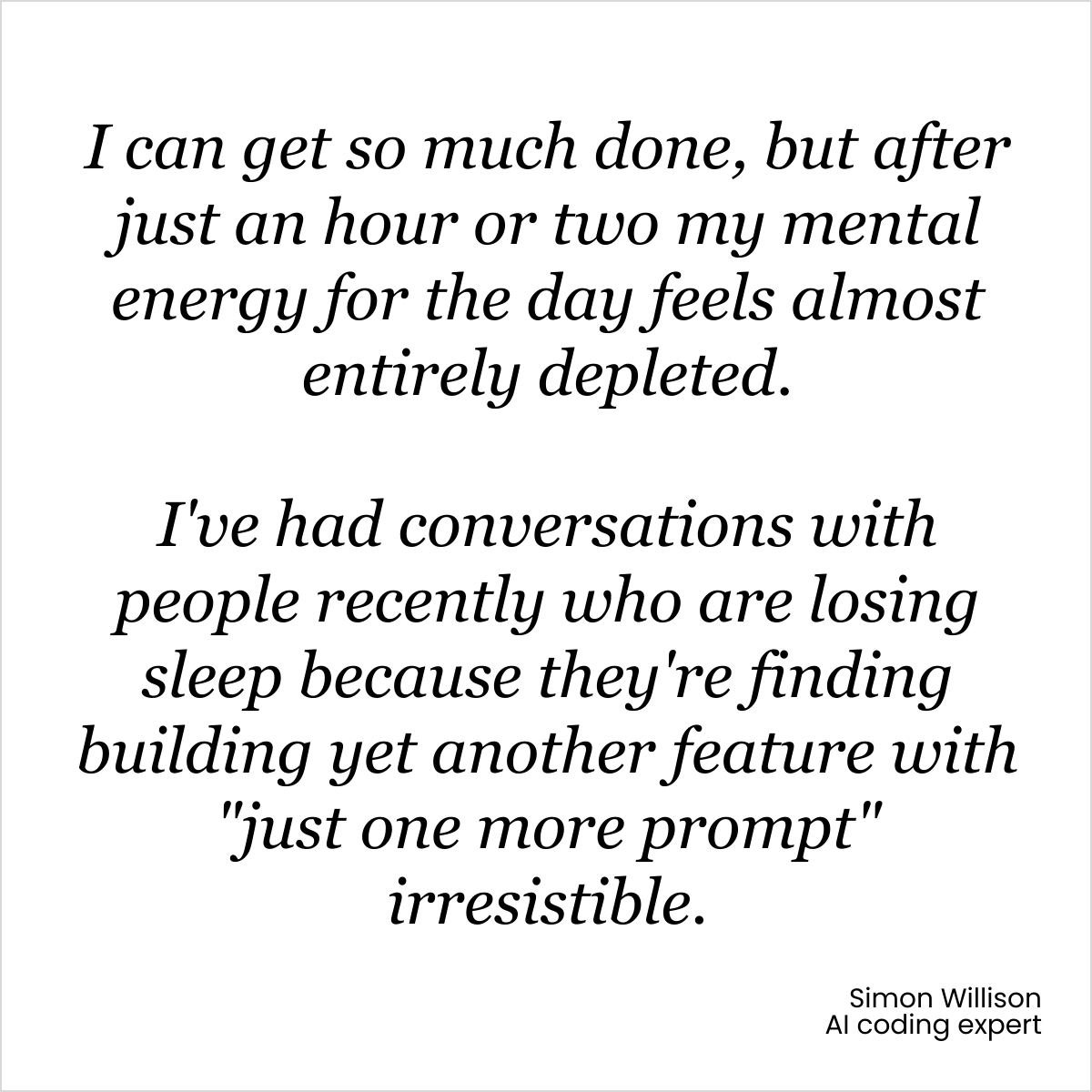
Recent HBR research titled “AI Doesn’t Reduce Work—It Intensifies It” found that employees using AI took on more tasks, multitasked more often and worked more nights and weekends. And it’s contagious: where adoption is high, people are forced to use AI just to avoid falling behind their own teammates.
Programmer Steve Yegge called this working in “Jeff Bezos Mode”: AI handles the easy work the same way Bezos’s teams did, leaving you with nothing but complex decisions and hard problems all day. That’s productive, but hard for mortals to sustain for eight hours straight.
It also raises new questions: If work gets done twice as fast, what counts as excellence? If productivity doubles, should compensation? And if you’re the boss, how do you harness speed without burning people out?
The Spreadsheet Didn’t Kill Us
We’ve seen wrong predictions about AI before. In 2016 Geoff Hinton, the “Godfather of AI” and Nobel prize winner, predicted we wouldn’t need radiologists in five years. Ten years later, radiologists are in more demand than ever.
A useful historical analogy is the spreadsheet. Excel revolutionized employment for numbers-based roles: over 500 thousand administrative and clerical jobs were lost between 1980 to 2024, but more than 2.3 million analyst roles were created. And the average analyst’s salary is $101,000 compared to $42,000 for clerical work.
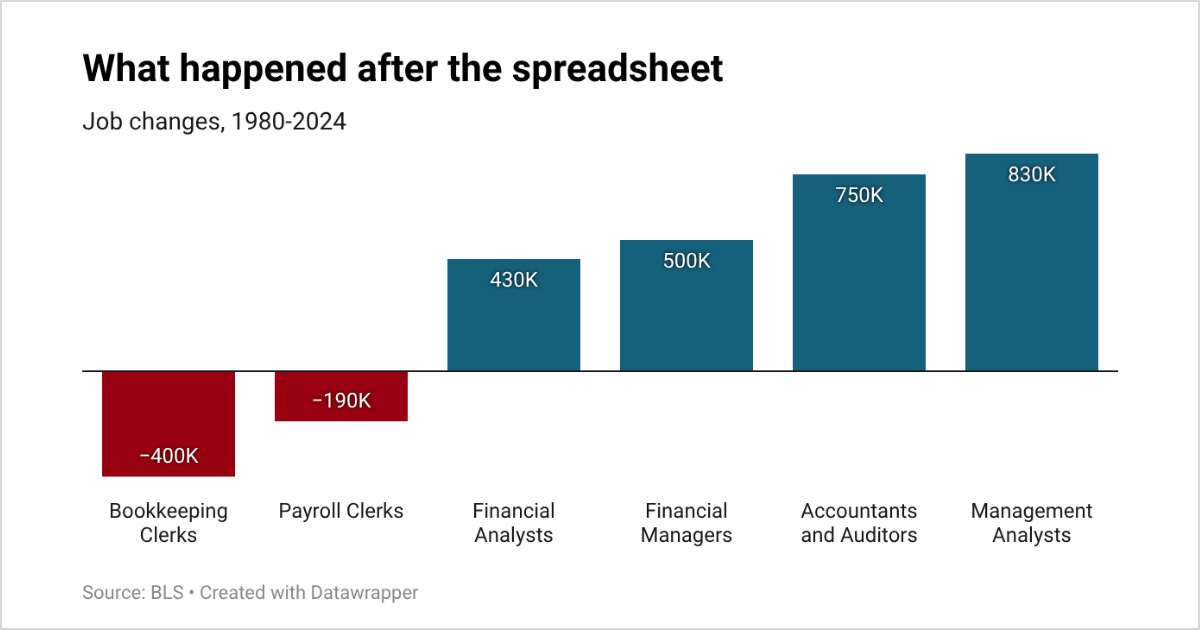
But technology cycles tend to start with cuts, not creation. Amazon, Microsoft and McKinsey have all announced AI-related layoffs this year. I’m watching for the second order effects:
What will the net effect be? Spreadsheets created more jobs than they eliminated, but not every new technology does. And new jobs may look nothing like the old ones.
How quickly will new jobs come? People out of work will be wondering when, or if, they’re coming.
What happens to entry-level hiring? Junior roles are built on routine tasks AI handles best. If those disappear, how do people start their careers?
And perhaps most importantly, will AI learn to tackle the social and organizational “glue” roles that computers don’t touch? If that happens we’ll wish we’d listened to Chief Brody a lot sooner.

So How Big Is It, Really?
AI is big enough to upend the way we work before it affects how many people work. Deadlines are already tightening. Expectations are rising.
Jobs will be lost, and new ones we can’t imagine today will be created, just as they were with the spreadsheet.
And the hardest problem to solve could be the first rung of the ladder. As AI absorbs routine work we’ll need new ways for entry-level employees to find their footing.
We may not need to close the beach. But don’t turn your back on the water.
Dad Joke: Why did the shark get hired at a tech company? It had a mega byte. 😂