

From Nutter Butters to Brilliant Interns: The New AI Software Playbook
After 50 years, it's time for a new delivery approach

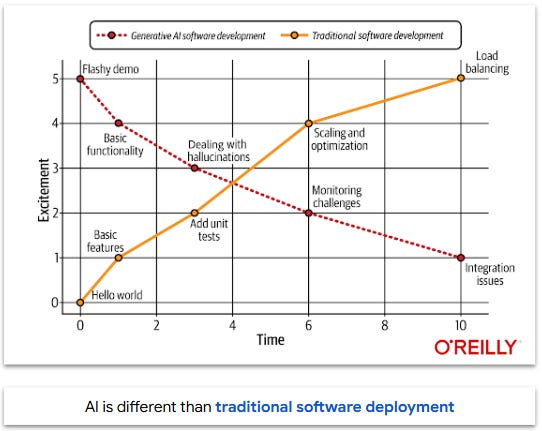
At a Glance: Last month, Taco Bell slowed its AI drive-through system as some mistakes went viral, a reminder that deploying AI requires a different playbook than traditional software. Deploying AI isn’t about perfect code, it’s about new management approaches built around their unpredictable nature.
Why AI Software Breaks the Old Playbook
Traditional software is deterministic, meaning it works like a vending machine: you press B3 and you get a pack of Nutter Butters. It’s so predictable that most of the time errors happen due to user mistakes, not system problems.
AI software is probabilistic, making educated guesses based on its training data, context and random chance. This is what makes AI magical: instead of a vending machine, it’s like a brilliant intern. This ability unlocks use cases that require judgement like customer service, dynamic pricing and contract reviews.
For more than 50 years, businesses have relied on the same structured playbook for building software: requirements, design, development, testing. Do it right and B3 → Nutter Butters, every time! But AI doesn’t follow that script. Its unpredictability means leaders need a new playbook built around guardrails, quality data, and keeping humans in the loop.
Guardrails Before Green Lights
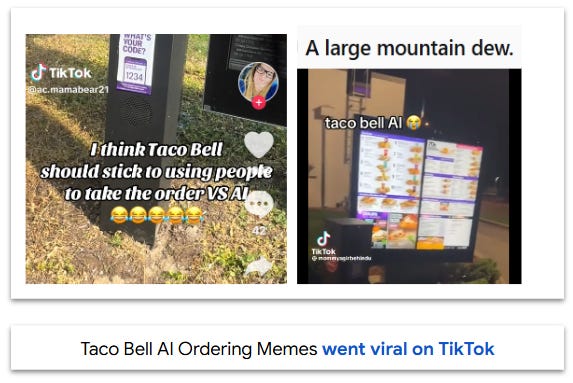
Let’s start with Taco Bell’s voice ordering stumble. While the system worked most of the time, it wasn’t perfect. It struggled with heavy customer accents, background noise or multiple orderers, and became a target for pranksters with weird orders like 18,000 water cups. McDonald’s faced similar issues, with customers unintentionally ordering $222 worth of McNuggets and an ice cream cone with bacon (maybe a good mistake 😋).
Instead of deploying AI without a safety net, consider Bank of America’s methodical approach with its “Erica” virtual assistant. It launched in 2018 and has been quietly successful, handling over 3 billion client interactions and processing 58 million requests a month. BoA did a bunch of things right: 1) Starting with a limited set of use cases and gradually expanding to over 700 today, 2) Including specific “off-ramps” to human representatives when the AI gets confused, and 3) employing a dedicated team to monitor behavior and make adjustments.
AI intern management tactic #1: Be transparent and set guardrails. Tell customers they are using an AI ordering system and define specific conditions (quantity over 10, total over $100, duration over 60 seconds) that route to humans. When the system is (hopefully) successful, loosen the constraints.
Data Makes or Breaks AI
In 2018, Zillow launched Zillow Offers, an AI-based home flipping program. It showed promise until COVID scrambled the housing market, with office workers fleeing cities for bigger homes. While the model struggled to predict prices correctly, executives pushed ahead, even raising offers to meet aggressive growth goals. The program failed spectacularly, wiping out $9 billion in market cap and 2,000 jobs.
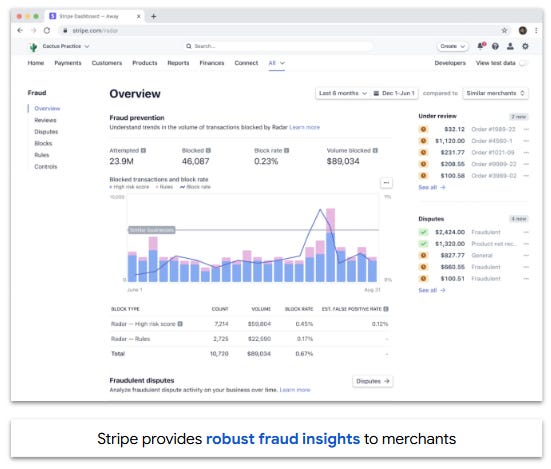
With a solid data foundation, AIs can handle new scenarios with ease. Stripe, which processes credit card transactions for eCommerce companies like Amazon, Shopify and DoorDash shows how robust data pays off. Stripe’s fraud detection system processes billions of transactions each year with a 0.1% false positive rate. Stripe has built a robust dataset that is retrained daily to ensure accuracy and handle edge cases. The system is so robust that 92% of “new” credit cards have been seen before in another Stripe transaction.
AI intern management tactic #2: Get the data right. Stress-test your model using data it hasn’t been trained on along with edge cases to ensure it can handle unusual scenarios.
Human plus AI beats AI Alone
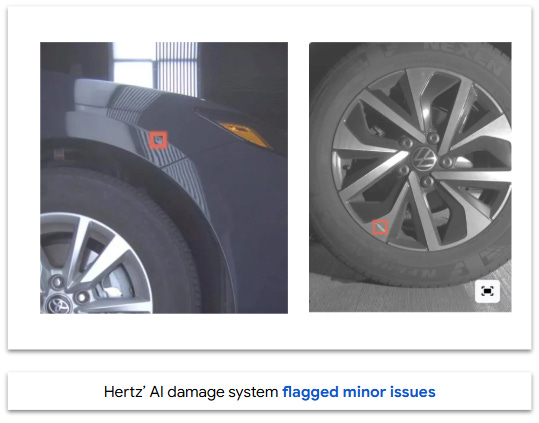
In April 2025, Hertz deployed a new system called UVeye that uses AI to automatically detect car damage. The system promised faster returns, accurate repair estimates and increased fleet reliability. The results have… sigh… not been good. Customers complained of false positives based on shadows and dirt. Hertz employees passed the buck, sending frustrated travelers to an automated dispute process. Savvy travelers began taking their own photos as evidence, and others are avoiding Hertz altogether.
In stark contrast to Hertz is Allstate’s AI insurance system for customer claims emails. The company found that AI-generated emails contained less jargon (what is a UPP inventory list again? 🤔) and were more empathetic than human-written ones. Allstate’s 15,000 customer service representatives now use AI to draft 50,000 emails each day. Agents still review and send emails themselves, but they embrace the system because it eliminates grunt work and helps them communicate more effectively with customers.
AI intern management tactic #3: Human plus AI works best. Make AI an asset instead of a threat for employees with training and role expansion. For customers, lead with benefits like faster returns and goodwill policies like first-time forgiveness instead of slapping them with gotcha $500 charges.
My Take: From Brilliant Intern to MVP
For decades, businesses have been using the same structured playbook approach for building software. I used “the waterfall” in project after project in my early career, delivering systems that did exactly what they were told to do.
AI software is here and it’s different. It’s less like a vending machine and more like managing the brilliant but scatterbrained intern who delivers magical results but occasionally recommends bacon ice cream.
Most companies haven’t figured this out yet, which creates a massive opportunity for those who have. While competitors struggle to manage AI systems using traditional methods, smart leaders are adopting new techniques like setting intelligent guardrails, investing in quality data, and designing human-AI collaboration that actually works.
Don’t just deploy AI, manage it like talent. Do that right and today’s interns can grow into tomorrow’s star performers.
Dad Joke: What did John Mellencamp say when Hertz billed him $1,000 for damage? “Hertz so good… come on baby, make it $2,000.” 🤣