

AI and the Middle Management Squeeze
Accenture turns up the pressure

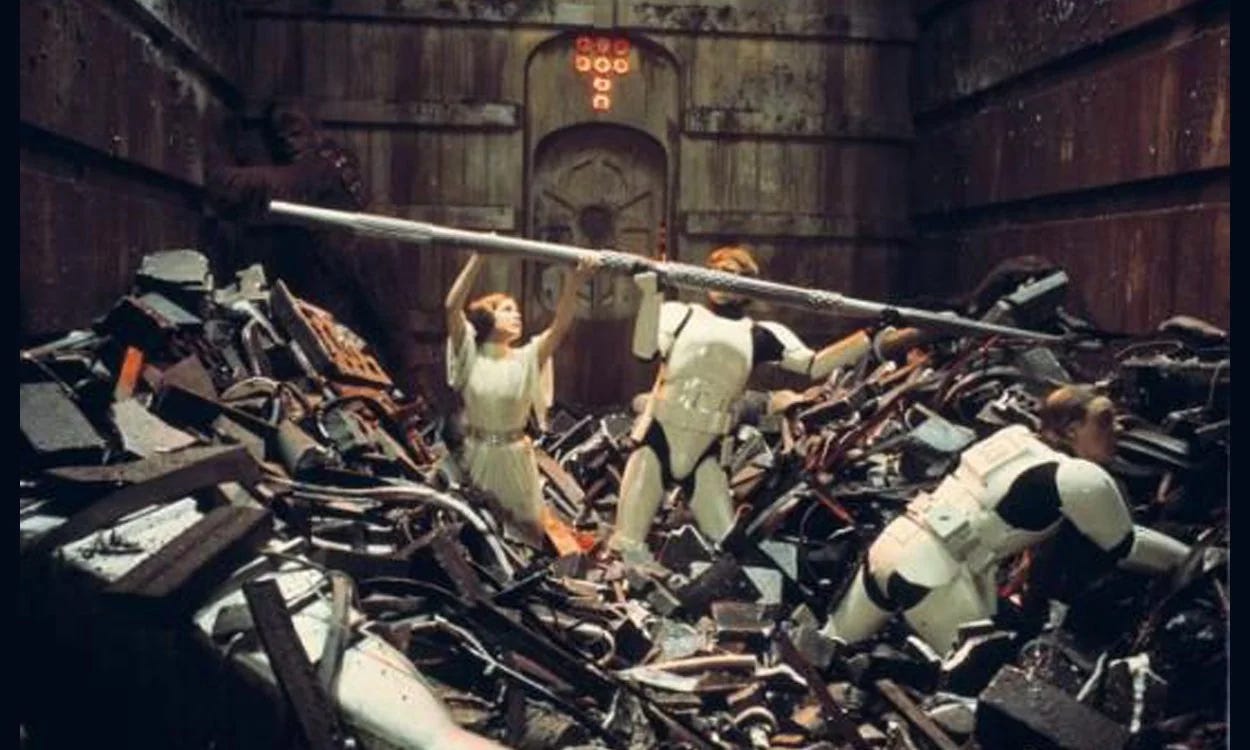
Last week the Financial Times broke the story that Accenture is tracking employees’ AI use and will require “regular adoption” for senior promotions. Some employees are threatening to leave, calling the mandated tools “broken slop generators”.
This isn’t Accenture’s first move. In 2025 they laid off 11,000 staff who couldn’t be reskilled. Now they’re tying promotions to AI use.
Critics argue that good management rewards performance, not activity (see Goodhart’s law). It’s easy to see employees gaming the metrics instead of using AI in earnest.
So:
Is Accenture Dumb?
Not at all.
This is an entirely reasonable move for a company who booked almost $6 billion in AI revenue in 2025. Just imagine when a client asks their partner how they use AI and they call the tools ‘broken slop generators.’ Or when a junior employee asks their manager for advice on their AI agent and gets a blank stare.
Accenture could meet their managers halfway. Learning AI takes time, and their internal tools may lag personal chatbots like ChatGPT and Claude, which don’t have the same security constraints. But AI is improving rapidly, and last year’s ‘broken slop generator’ could build an advanced client analysis with genuine insights today.
Accenture is doing what they need, but this points to a squeeze that today’s middle managers face.
AI for Managers is…different
Using AI is straightforward for junior employees: draft a pitch deck, write a campaign brief, analyze inventory data.
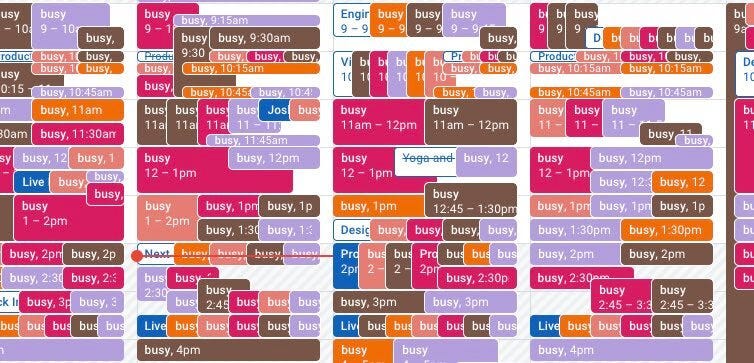
Managers’ work is different: they sit in meetings, navigate politics, coach direct reports, and make judgment calls. AI can help, but it isn’t point and shoot. An analyst can block two hours to build out a report. A manager ricochets from performance review to budget fire drill to client escalation, with barely enough time to refill their coffee. By the time you’ve prompted the chatbot with enough background to be useful, your next meeting is starting.
Junior employees are also expected to make mistakes. A campaign brief that’s 90% right is a solid starting point and the rest can be hammered out in the agency meeting. Managers are held to a different standard. One careless sentence in an email can mislead a client, trigger an escalation, or spiral into an HR incident.
The consequences can be severe. Last year, a Deloitte partner signed off on a government report that cited nonexistent academic papers and a fabricated quote from a federal judge. Deloitte refunded the client. The partner left the company.
Twenty years of experience feels safer than a tool that occasionally makes things up.
The Squeeze
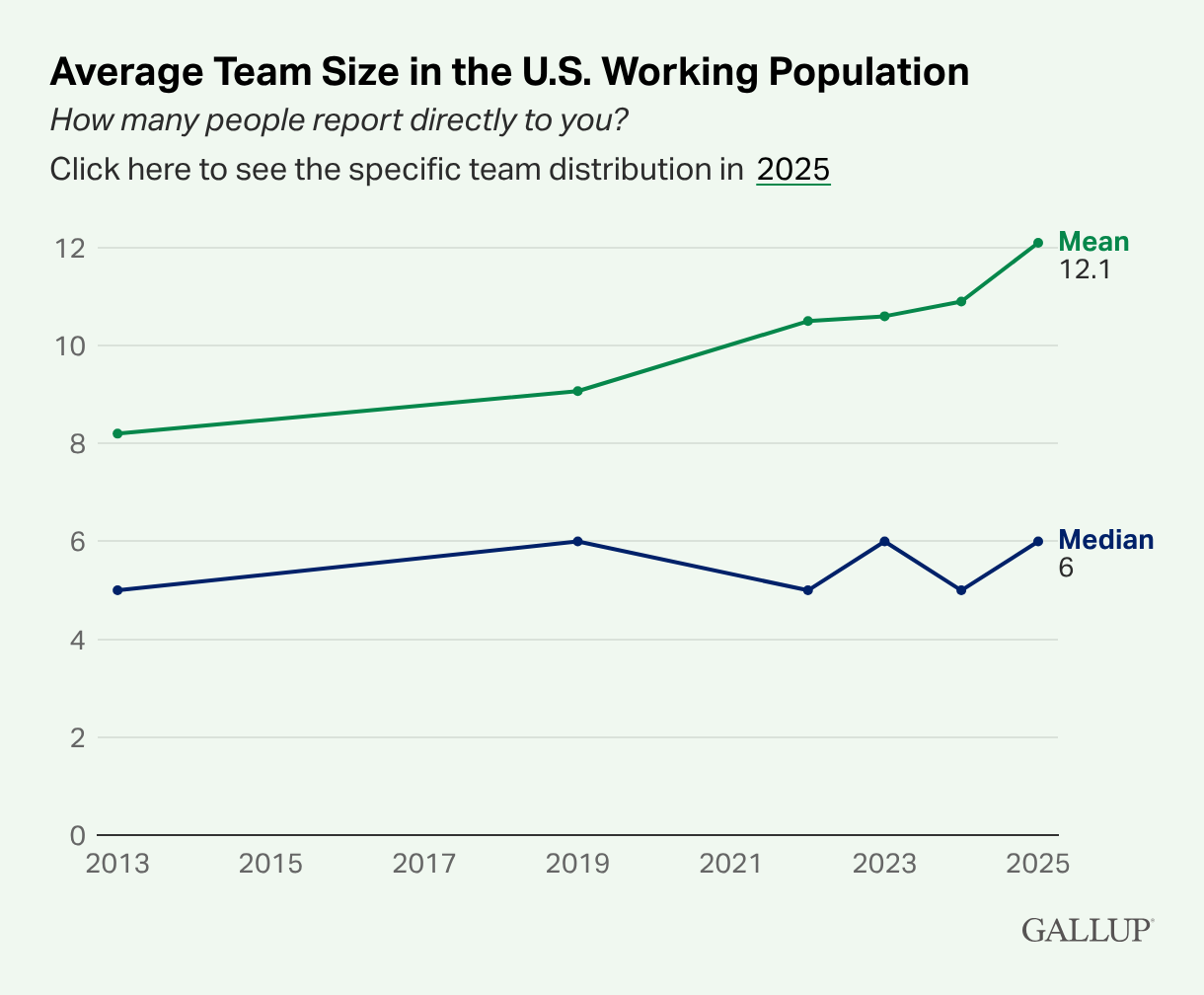
Led by Big Tech, companies have spent the last few years reducing management layers in a process known as the “great flattening”. The number of direct reports per manager jumped from 10.9 to 12.1 in 2025. Burnout is spreading: 71% of leaders report increased stress and 40% have considered leaving leadership entirely.
They’re also facing the busiest stretch of their personal lives. A typical manager in their early forties has young children. While a 25-year-old analyst can tinker with AI agents after dinner, their forty-something manager spends their nights and weekends at kids’ birthday parties, swimming lessons and soccer games.
The financial stakes are highest too: paying for a mortgage, childcare, college, retirement. These are the same people being told that AI is a requirement for the promotion they’re counting on.
What Nobody’s Talking About
Today’s AI job concerns center on entry-level hiring. People see AI replacing the “grunt” work that companies hire junior employees for. And this is real: PwC and BCG have both cut entry-level hiring. But that’s also driving urgency in younger employees who are racing to become AI-native.
Middle managers should be concerned too. AI gives a bigger boost to less experienced employees and it’s easy to see juniors becoming manager-ready earlier in their careers.
Companies have a role to play here, but they move slowly, and AI isn’t waiting. That means the burden falls on individuals.
When email first came along, every company had a senior executive who had their assistant print messages so they could dictate responses. These were people who had mastered their jobs but couldn’t adapt to the latest technology.
They could get away with it because they were at the top. Middle managers don’t have that luxury.
Dad Joke: Why did HR order pancakes for their meeting? Because they heard it was about flattening. 😆
Where to Start
Integrating AI into your work takes time, and the best thing to do is just get started! Here are a few things to try:
“I’m meeting XX next week for the first time. Brief me on them.”
“Here’s a presentation to my steering committee. What questions am I likely to get?”
“Review this transcript from a meeting I led. Give me feedback on my approach.”
“This is a draft email to someone recapping a difficult conversation. Is it tactful?”